Address:58 New Century Street East

Ultimate DIY Guide: How to Efficiently Replace Your Air Conditioner’s Air Filter
Dec 04,2025
Ultimate DIY Guide: How to Efficiently Replace Your Air Conditioner’s Air Filter Table of Contents Why You Should Change Your Air Conditioner's Air Filter Regularly Understanding Air Filters: Types and Functions How to Identify the Right Air Filter for Your AC Essential Tools and Materials Needed for the Job Step-by-Step Guide to Replacing Your Air Filter Maintenance Tips
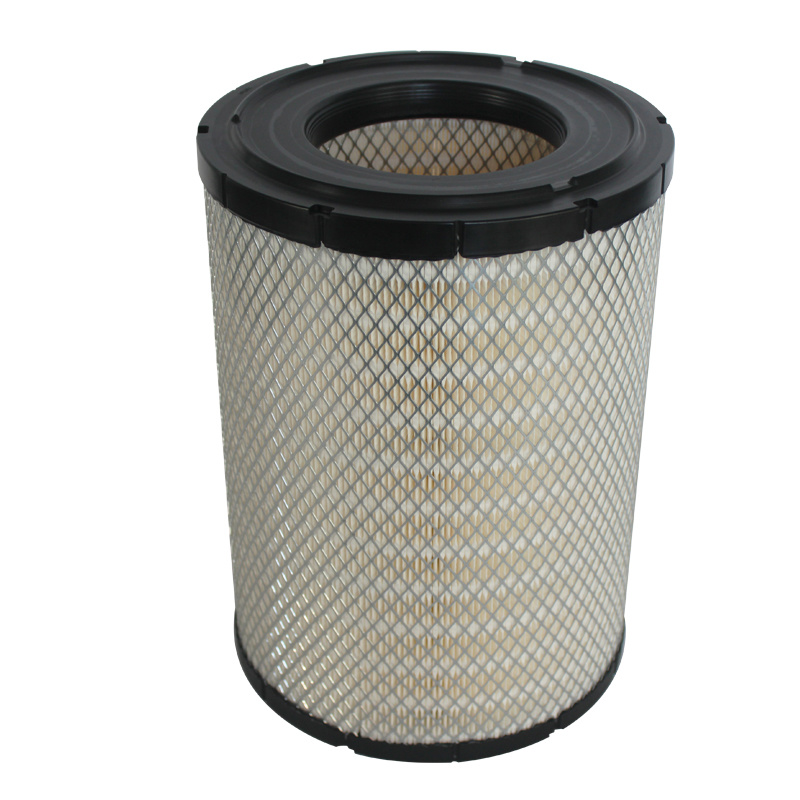
Ultimate DIY Guide: How to Efficiently Replace Your Air Conditioner’s Air Filter
Table of Contents
- Why You Should Change Your Air Conditioner's Air Filter Regularly
- Understanding Air Filters: Types and Functions
- How to Identify the Right Air Filter for Your AC
- Essential Tools and Materials Needed for the Job
- Step-by-Step Guide to Replacing Your Air Filter
- Maintenance Tips for Your Air Conditioner
- Common Mistakes to Avoid When Replacing Air Filters
- Frequently Asked Questions (FAQs)
Why You Should Change Your Air Conditioner's Air Filter Regularly
Replacing your air conditioner's air filter is one of the most essential maintenance tasks you can undertake for your HVAC system. **A clean air filter contributes significantly to the efficiency** of your unit, ensuring that it operates effectively and uses energy efficiently. A clogged filter can lead to unnecessary wear and tear, resulting in higher energy bills and potential costly repairs.
Moreover, **changing your air filter regularly helps improve indoor air quality**. Dust, allergens, and pollutants accumulate in the filter, which can circulate throughout your home if not removed. By regularly replacing the filter, you help reduce the risk of respiratory problems and create a healthier living environment.
Understanding Air Filters: Types and Functions
Air filters play a crucial role in maintaining the efficiency of your air conditioning system. There are several types of air filters, each with different functionalities:
1. Fiberglass Filters
Fiberglass filters are the most common and affordable option. They capture larger particles but may not be effective against smaller allergens. They also require frequent replacement due to lower efficiency.
2. Pleated Filters
Pleated filters are designed with a larger surface area, increasing their ability to trap particles. They come in various MERV (Minimum Efficiency Reporting Value) ratings, meaning they can filter out smaller particles than fiberglass filters.
3. HEPA Filters
High-Efficiency Particulate Air (HEPA) filters excel in trapping tiny particles, including dust, pollen, and pet dander. They are highly recommended for individuals with allergies or respiratory issues.
4. Electrostatic Filters
These filters use static electricity to attract and capture particles, providing excellent filtration. They are often washable and reusable, making them a cost-effective long-term solution.
How to Identify the Right Air Filter for Your AC
Finding the correct air filter for your air conditioning system is vital. Follow these steps to identify the right filter:
1. Check Your Current Filter
Remove the existing air filter and check for its dimensions. Filters typically have measurements such as length, width, and thickness.
2. Read the MERV Rating
Understanding the MERV rating of your current filter helps determine its efficiency. A higher MERV rating means better filtration but may require more frequent replacements.
3. Consult Your AC Manual
Your air conditioner's user manual may provide specifications on the appropriate filter type, dimensions, and MERV rating.
Essential Tools and Materials Needed for the Job
Before starting the replacement, gather the following tools and materials:
- New air filter (correct size and type)
- Screwdriver (if needed for access)
- Vacuum cleaner (for cleaning the area)
- Cloth or towel (to catch debris)
Step-by-Step Guide to Replacing Your Air Filter
Now that you have the right tools and materials, follow this detailed guide for a successful air filter replacement:
Step 1: Turn Off the AC
Safety first! Ensure that your air conditioning unit is turned off before starting the replacement process. This precaution prevents any unwanted issues while you work.
Step 2: Remove the Access Panel
Depending on your AC model, you may need to remove an access panel. Use a screwdriver if necessary, and keep the screws in a safe place.
Step 3: Remove the Old Filter
Carefully take out the old air filter. Be cautious; it may be covered in dust and allergens. Dispose of it properly.
Step 4: Clean the Area
Use a vacuum cleaner to remove any dust or debris from the filter compartment. A clean space ensures that your new filter works effectively.
Step 5: Install the New Filter
Insert the new air filter into the compartment. Ensure it is oriented correctly, following the airflow direction indicated on the filter.
Step 6: Replace the Access Panel
If you removed an access panel, reattach it securely, ensuring all screws are fastened properly.
Step 7: Turn On the AC
Once everything is in place, turn your air conditioning unit back on and check for any unusual noises.
Maintenance Tips for Your Air Conditioner
To ensure your air conditioning system runs efficiently year-round, consider these maintenance tips:
1. Regular Filter Changes
Change your air filter every 1-3 months, depending on usage and filter type.
2. Keep the Outdoor Unit Clean
Ensure that the area around your outdoor unit is free from debris, leaves, and dirt, allowing for proper airflow.
3. Schedule Professional Maintenance
Consider having a professional HVAC technician inspect your system annually to catch any potential issues early on.
Common Mistakes to Avoid When Replacing Air Filters
To ensure a successful air filter replacement, steer clear of these common pitfalls:
1. Using the Wrong Size Filter
Using a filter that doesn’t fit properly can lead to air leaks and inefficiency. Always double-check measurements.
2. Neglecting to Turn Off the AC
For safety, always turn off your air conditioning unit before replacing the filter.
3. Forgetting to Check the MERV Rating
Using a filter with a MERV rating that is too high for your system can reduce airflow and strain your unit.
Frequently Asked Questions (FAQs)
1. How often should I replace my air conditioner’s air filter?
It is recommended to replace your air filter every 1-3 months, but this can vary based on usage and the type of filter.
2. What happens if I don’t replace my air filter?
Failure to replace your air filter can lead to reduced efficiency, increased energy bills, and potential damage to your air conditioning unit.
3. Can I clean my air filter instead of replacing it?
Some filters, like electrostatic filters, can be cleaned and reused. However, most standard filters should be replaced.
4. How do I know if my air filter needs to be changed?
If the filter appears dirty or clogged, or if you notice a decline in air quality or airflow, it’s time for a replacement.
5. Are higher MERV rated filters always better?
While higher MERV filters provide better filtration, they may restrict airflow in some systems. Always consult your AC manual for the appropriate MERV rating.
Conclusion
Replacing your air conditioner’s air filter is a straightforward yet crucial maintenance task that can enhance the efficiency of your HVAC system and improve indoor air quality. By understanding the types of filters, knowing how to identify the right one for your needs, and following our detailed step-by-step guide, you can ensure your air conditioning unit operates optimally. Remember to maintain regular cleaning and replacements, and avoid common mistakes to keep your system running smoothly. With these practices, you’ll enjoy cleaner air and a more efficient home environment.
TAG:
PREVIOUS:

Contact Us